
The Harry Potter films, especially the third film onwards, are visual feasts loaded with British iconography and scenery as well, showcasing a myriad of fantastical creatures and concepts from worldwide folklore. As well as being beautiful storybooks come to life the Potter films also have a commendable amount of thematic richness not often seen in ‘blockbuster’ movies. Where Star Wars: Revenge of the Sith had Anakin Skywalker clumsily quoting George W Bush for a blink and you’ll miss it bit of political relevance, the Potter films often provide a more subtle and nuanced take on the themes they are exploring. The third film, Harry Potter and the Prisoner of Azkaban is a beautifully gloomy departure from the technicolour world of the first two films that echoes the change in story tone. In the early stories Hogwarts and the wizarding world is a bright and shiny *ahem* new hope in Harry’s life. By book/film 3 it is established that the wizarding world has significantly more dangers than Harry’s cruel life with the Dursley’s. Azkaban specifically is a multi-layered take on depression and mental health.
The film starts as most of them do (and the books always do) with Harry’s toxic family life with the Dursleys. Aunt Marge, name checked for eating a “funny welk” in the Philosophers Stone, taunts Harry and casually labels his dad as a “drunk”. Her prejudice is not reserved for his dad as she refers to his mum as a “bitch” and suggests, scrooge like, that Harry would have found his way into an institution had he been left on her doorstep. Aunt Marge represents casual and ill-informed prejudice towards minority or marginalised groups. Marge has an over inflated opinion of herself and draws lazy conclusions that justify her bullying a child, echoing the same behaviour seen in Draco Malfoy, when he calls muggle born children “Mud-Bloods”. The parallel is possibly that a villain is a mere common bully with power, or perhaps more chilling, that many potential Malfoys, and Voldemorts, are lurking in living rooms and conservatories around the country waiting for their chance. From a mental health point of view it is also telling that Aunt Marge uses the term “Drunk” and not alcoholic, opting for a disparaging term over the medicalised version, again echoing the use of “mud-blood” over muggle born. Interesting that the bigoted Marge ends up being literally over inflated, if only real life bigots were so easily dealt with.
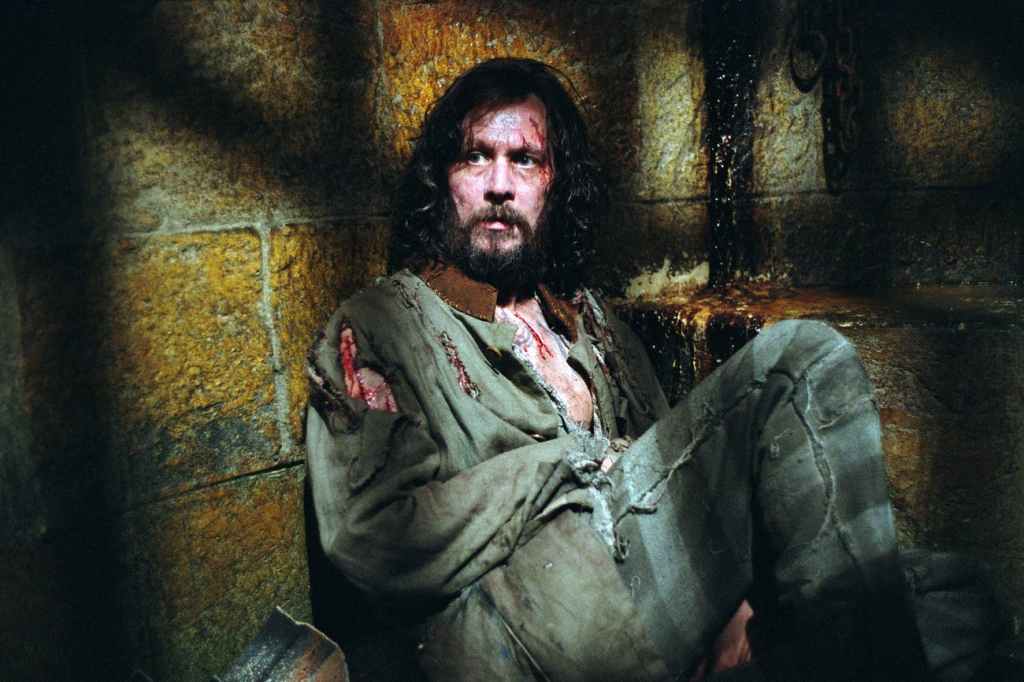
Harry flees from his dysfunctional home life for a fantasy world, don’t we all? As soon as he is out of the Dursley’s semi he encounters a black dog (a commonly used metaphor for depression). The dog motif appears repeatedly in the film for example in the clouds during quidditch, in the tea leaves during divination class and finally in the form of his god father Sirius Black. Sirius is the brightest star in the Canis Major constellation (colloquially the dog star) and Black means, well black. Sirius Black (black dog) represents, for most of the film at least, the force responsible for Harry’s misery, the murder of his parents. So for much of the Prisoner of Azkaban Harry is haunted by images of the black dog as well as a character literally named black dog. The use of this particular metaphor is as subtle as Rowling’s naming convention. It is no less powerful that ultimately Sirius is ultimately proven to be a force for good, that he has been wrongly accused and convicted. Depression is not always caused or triggered by obviously bad things. That which seems powerful, crucial or insurmountable during a depressive period can evaporate when the depression passes or subsides. Sirius’s true nature therefore may be a reference to understanding depression, triggers for depression or anxiety as a means of ultimately defeating or taming the black dog, or it may just be a cool character twist. Harry is rescued from his first encounter with the black dog by a service for wizards in trouble the Knight Bus, clearly mental health funding in the Wizarding World is a higher priority than in the muggle one. The message behind this could be that however unpleasant Harry’s home life is, the fantasy world he retreats to is in fact more dangerous, its life threatening.
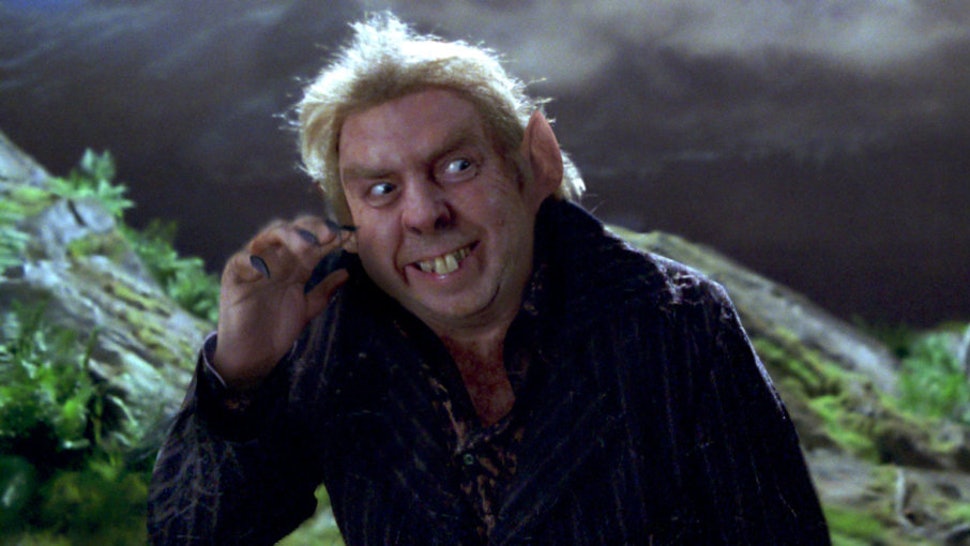
Another new character in the series introduced in Prisoner of Azkaban is Professor Lupin, another on point name as Lupin is a werewolf, Lupine meaning wolf-like for people who didn’t do latin at school. I do wonder if Professor Remus Lupin was given an incredibly prophetic name, like Spiderman foe Otto Octavius (Dr Octopus) or whether his werewolf family were just out and proud like the Munsters. Either way Remus offers a view of the functional sufferer. One day he is happy at work dispensing advice, the next he is conspicuous by his absence, returning to work a few days looking like a shell of himself. Lupin represents both the afflicted, struggling with the day to day curse of an invisible illness and the stigma associated with such an illness. His colleague, Snape, draws attention to his absence, he questions Lupin’s capability and fitness for work making snide remarks. Ultimately Lupin resigns once the parents get wind that Professor Wolf, is a wolf, presumably one of them asked him the time and he licked his lips and replied “DINNERTIME!”.
The key villain/creature in the film is the dementors, faceless creatures that make you relive your worst experiences and sucking the joy out of everything, a bit like VAR but less evil. Rumination, reliving the past, is a common root cause of depression, and paradoxically it is also a symptom of depression, creating a viscous circle for sufferers. The Prisoner of Azkaban presents us with two cures for depression/rumination the first being the chocolate that Professor Lupin offers Harry on the Hogwarts Express shortly after his first encounter. “It helps” Lupin encourages, “It really helps”. To be fair it does and its good to know that, aside from the jumping, a chocolate frog is as potent a cure for fleeting sadness as a Wispa Duo. For the real sufferers there is a more powerful spell, and no its not two Wispa Duos it’s the spell Expecto Patronum, in which the conjourer weaponises positive memories and feelings in order to shield themselves from the life sucking dementors. So on the nose are Sirius and Lupin that the spell was probably called Prozaccius twiceadayus in an early draft. Acting like a magical form of cognitive behavioural therapy (CBT), in which sufferers reframe in a more positive way some of the negative feelings or associations they have, the spell works best for Harry when he focuses on a memory of his mother as she is killed. Instead of the simple mantra of thinking happy thoughts, Harry is instead saved by the more realistic focussing on the positive element of the most negative event of his life, just like the principle of CBT. This is a little like Rose’s words of wisdom in The Last Jedi, Harry focusses on a fragment what he loves rather than the thing he hates and has wronged him, and coincidentally by using that example I’ve followed the advice myself at the same time!
The resolution to the film also calls back to rumination with the time travel plot device allowing Harry and Hermione to relive the last days. Days where Harry and Hermione personally failed and witnessed injustice. Reliving the past comes with advice from Dumbledore to simply retrace their steps, to essentially see events from a different perspective. In the sequence Harry and Hermione relive yesterday making slight contributions to events but changing nothing but their own understanding of what happened, by way of a predetermination paradox, but who is counting. This seems like CBT again where the characters reprogram the perception of events or relationships instead of wishing for material change.
The final scene of the film sees Harry creating new happy memories with friends. The final shot includes a freeze/blur effect, with Harry’s face stretching like an 80’s queen video. This mimicks the effect used during the dementors kiss sequences. This reuse of the effect shows happiness, friends and possibly exercise to be having the opposite effect of the dementors, of depression. The Harry Potter films usually end with a celebratory and melancholy final wave at Hogwarts as the children return home, Azkaban concludes with the school year still running. Instead of Harry returning to his torture at the Dursley’s Harry instead gets a rare moment of pure bliss uncorrupted by the pressures of either the Wizarding or muggle worlds. That this moment occurs while Harry is in the most fantastical of situations, astride a broom high above Hogwarts might be a simple and beautiful way of illustrating delight, or it may hold the darker meaning that for many true happiness is as unattainable as flying a broomstick. I feel a Wispa Duo coming on, it helps, it really helps.

 Film Thought