The Timeless Children – Commentary & Thoughts
Previously on Doctor Who…
The Doctor (Jodie Whittaker) has tracked the Cyberfleet to a planet sheltering the last survivors of mankind (and some electricity pylons). Separated from the ‘fam’, the Doctor steals a Cyber-cruiser and heads off to meet Ko Sharmus (Ian McElhinney), the semi-mythical leader of the Alliance. Meanwhile Yaz (Mandip Gill) and Graham (Bradley Walsh) are trapped on a Cyber-carrier as thousands of dormant Cybermen awake, and begin to look for them, Acky 1,2,3 style. Back on Ko Sharmus’ world is a gateway to another part of the universe called “The Boundary”, which the Doctor discovers is linked to Gallifrey. As the portal activates, out jumps the Master (Sacha Dharwan) like a Jack-in-a-box. “Be afraid,” says the Master “Because everything is about to change”.
The Doctor reluctantly travels with the Master through the boundary to Gallifrey, just as the Cyber-carrier arrives on the planet. Arriving on Gallifrey, the Doctor once again gazes upon the ruined citadel of the capitol. Once inside, the Master reminisces with the Doctor about old times. A comedy alert sound on the Master’s phone (yes, really) announces the arrival of the Cyber-carrier. The Master Skypes with Ashad (Patrick O’Kane), offering him an alliance with the Cybermen on Gallifrey. He even sends Ashad a Google Maps-style link to the capitol (enable ‘boundary’ portal, disable tolls, motorways and ferries), promising to roll out the red carpet on their arrival. Ashad sends an execution squadron to hunt for Ko Sharmus and the others on the planet, whilst the remainder of his army plots a course for Gallifrey.
Meanwhile, Ashad continues his game of Acky 1,2,3, opening various cabinets looking for the hiding humans (it’s no longer a childish metaphor – it really is a game of hide and seek now). “We’ve got to get off this ship,” says Graham, never afraid to state the obvious.
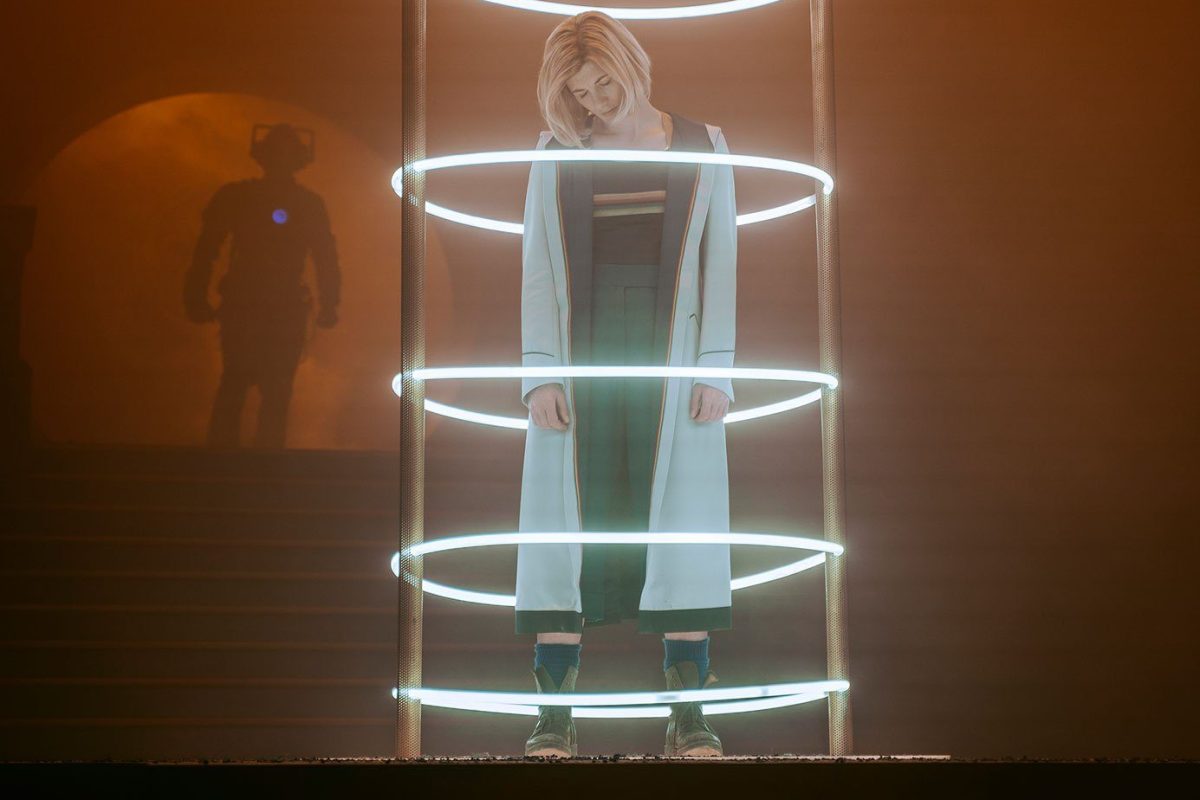
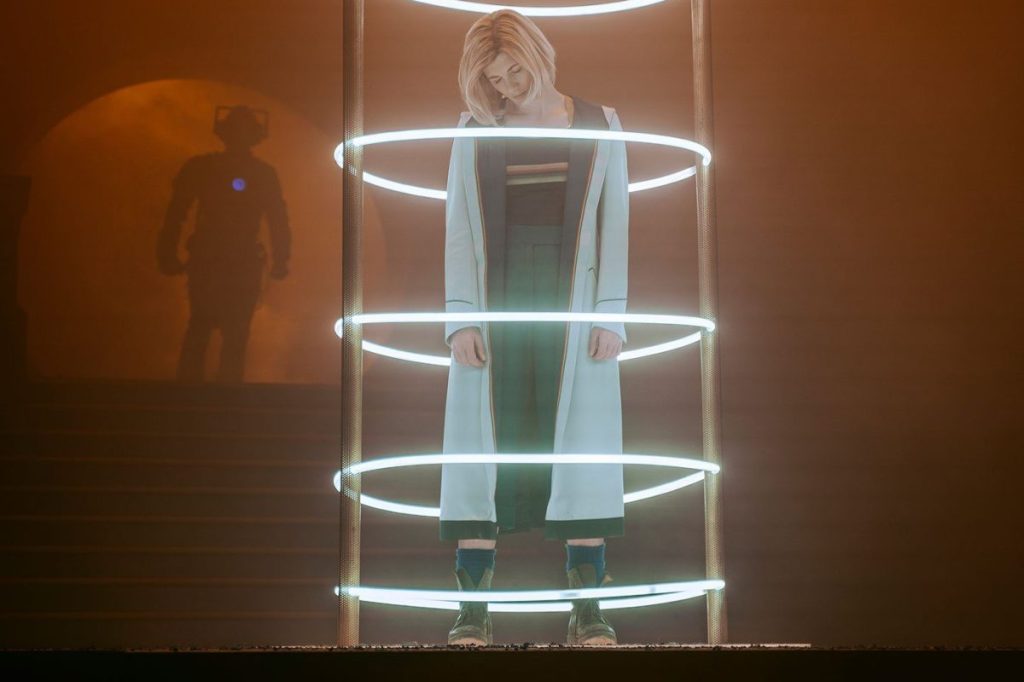
Back in the capitol, the Master traps the Doctor in a “paralysis field”, and plugs her into the matrix. Once inside, the Doctor hears the Masters voice, narrating the whole back story of the Timeless Child. Once upon a time, there was an explorer named Tecteun (Seylan Baxter), from Gallifrey. She was the first Shobogan (Gallifrey’s indigenous race) to develop space travel. On her travels, on a distant planet, she found a gateway – a boundary into another dimension/universe. Beneath the gateway’s monument she found an abandoned child from another realm. She took the child as her own, returning to Gallifrey. One day, playing with a friend, the child fell off a cliff (sounds familiar). On the ground Tecteun discovers the child is alive – she regenerates into a new body. The first regeneration of Gallifrey.
As Ashad enters the capitol building, the Master congratulates him on his victory – he has conquered Gallifrey! Ashad tells the Master about his plans – he has something called a “Death Particle”; an explosive the Cyberium has created to wipe out all organic life. Ashad’s plan is for the Cybermen to become purely mechanised beings – or “robots” as the Master points out. It’s sort of like the Timelord’s plan in 2009’s The End of Time, ironically enough. “It’s good, but not great,” says the Master, channelling his inner Simon Cowell. As a side note, it’s been about 10 minutes since Jodie Whittaker last uttered a word (usually this would be a bad thing in Doctor Who).
The execution party (there aint no party like an execution party) attacks Ko Sharmus’ base (although he seems to be quite chipper about the whole thing). Ryan throws a basketball shaped bomb at a Cyber-troop, blowing them up instantaneously (so to clarify, the Cybermen have weaknesses to gold, emotion inhibitors, laser fire and explosives – surely that makes them weaker than just regular people???).
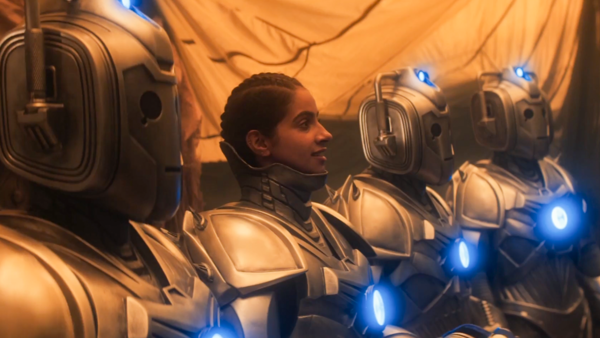
Back on the carrier, Graham has a cunning plan. They will use the Cybermen armour as a disguise to get off the ship (I didn’t even realise it is armour. Surely these things are part of the organic elements and can’t be simply removed).
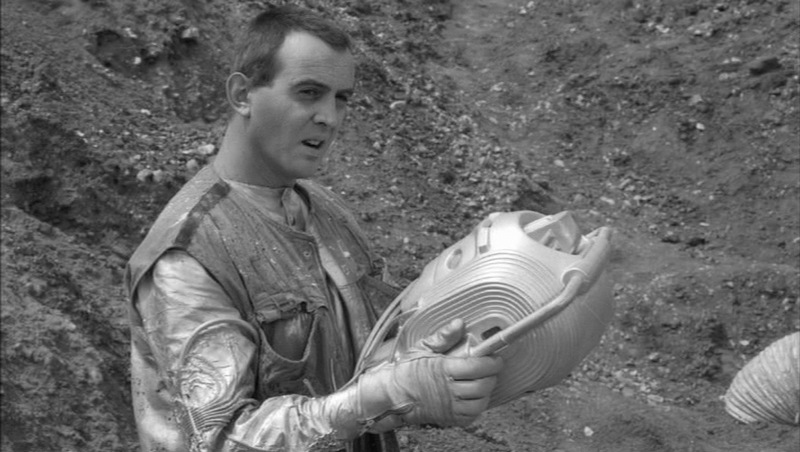
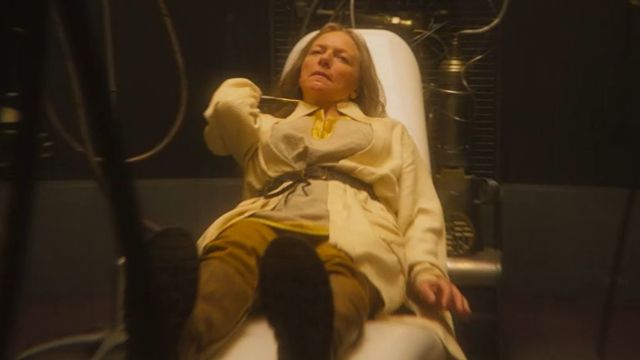
Back in the Matrix, we see that Tecteun has been experimenting (or ‘abusing’, as its otherwise known) on the Timeless Child – even using up the child’s regenerations (or ‘killing her’, as…) to get to the truth. Eventually Tecteun cracked the secret of regeneration, and in a last act of desperation, she tested the theory on herself, gene splicing the DNA of the Timeless Child with her own. It worked and she regenerated for the first time. Over the years, Gallifrey evolved, the citadel rose and the Timelords discovered time travel (the Master throws it in casually as its nothing particularly interesting – although… it was interesting enough for the Gallifreyans to name themselves after it!). They were now “a self-appointed ruling elite”. The genetic code of the Timeless Child was passed onto all subsequent generations, although they were limited to only 12 regenerations. “What happened to the child?” asked the Doctor incredulously. The Doctor was the Timeless Child, reveals the Master! Dun dun derrrr.
Back at Ko Sharmus’ base the execution party is continuing its assault. Just when it appears that all hope is lost, a band of rogue Cybermen appear and execute, er, the executioners. Removing their helmets (well, apart from Graham, who has a ‘comedy moment with his “hat”) they are revealed to be the ‘fam’. They escaped from the Cyber-carrier (although Chibnall doesn’t feel the need to burden us with such trifles as how).
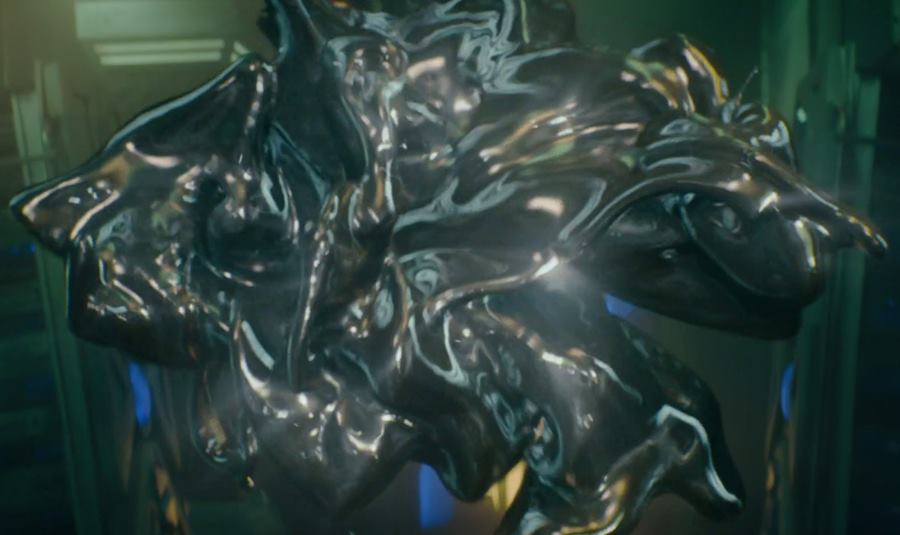
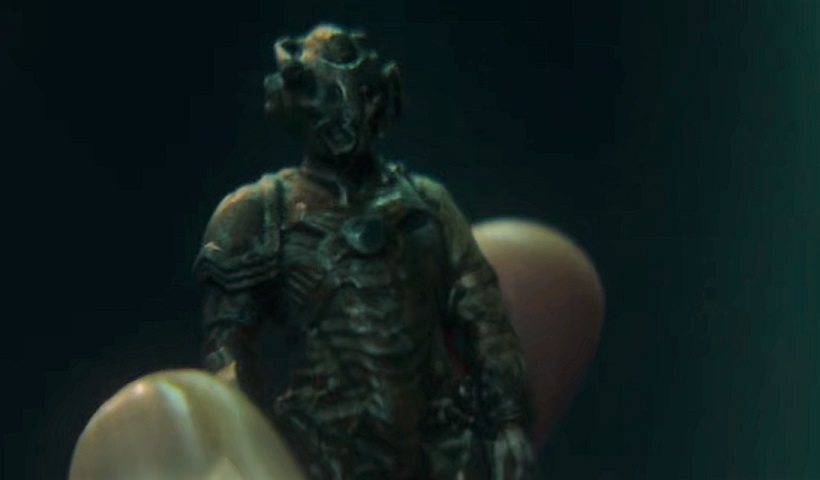
Meanwhile, the Master inspects the Cyber-carrier with Ashad, and asks to see the Cyberium for himself. “It will not leave me while I’m alive”, says Ashad unwisely. With a press of his Tissue Compression Eliminator (TCE) the Master kills Ashad, turning him into a tiny miniature. The silver space fart that is the Cyberium emits from Ashad’s corpse (from what I understand, farting is usually an unfortunate side effect of death). Studying Ashad’s body, the Master detects that the death particle is still inside, waiting to be activated. Paraphrasing the Apprentice (the Master’s TV watching habits have progressed since Teletubbies… well a little) he bids to be the Cyberium’s “new business partner”. The Cyberium can combine with the matrix in his head. Pleased with his business pitch, the Cyberium leaps into his body.
Back in the Matrix exciting developments are occurring – Jodie Whittaker finally gets another line. The Doctor doesn’t believe in the Timeless Child. The Master explains that the Timelords wanted a “noble creation myth” and so the memories were erased to protect this lie. The Master is annoyed that he shares part of the Doctor’s genetic code. Like an angry binge-watching teenager, whose wifi signal has just dropped, the Doctor demands the Master shows her the rest of the memories (some real emotion shown by Jodie’s Doctor in this scene – more of this please!).
Back in the memory sequence, we see the Timeless Child has become a member of a mysterious organisation known as the Division, who have a remit to interfere with history (unlike regular Timelords). Sadly thats where the memories end – the rest have been redacted from the Matrix – the Master hasn’t been able to decode it. The memories of Brendan from the first episode are revealed to have been concealed in the Matrix by Tecteun using a visual filter. They are the Doctor’s altered memories which the Master had beamed into her head (must have missed that moment in Ascension of the Cybermen. They should have included a reaction shot from Jodie Whittaker to sell this concept, because it really didn’t come across that way).
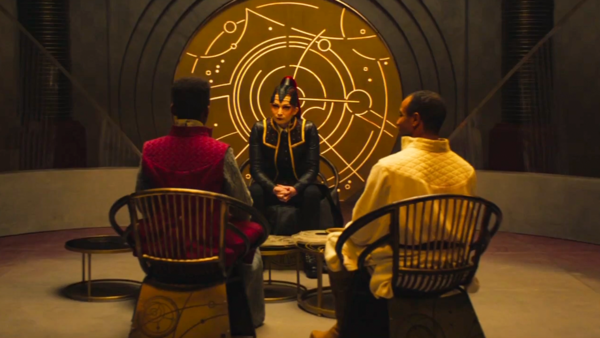
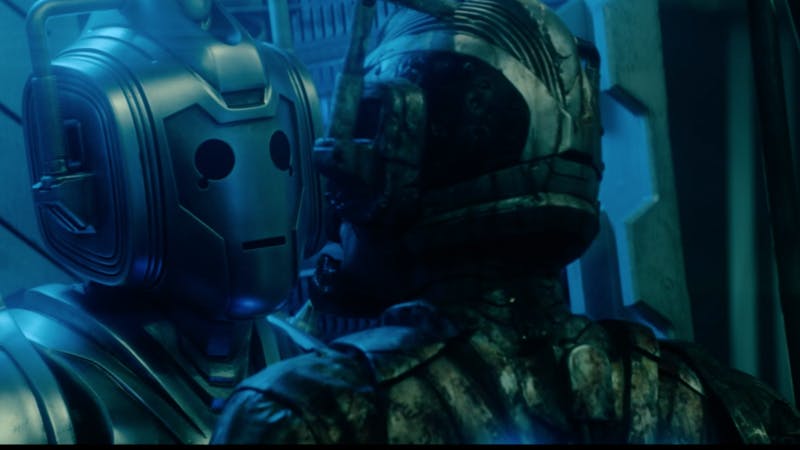
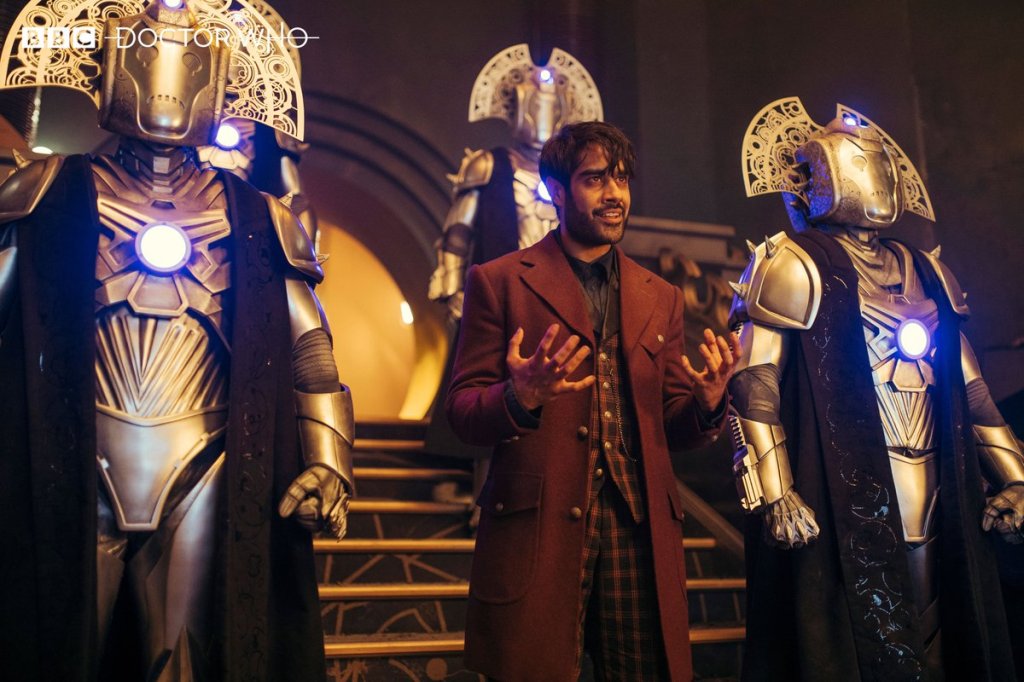
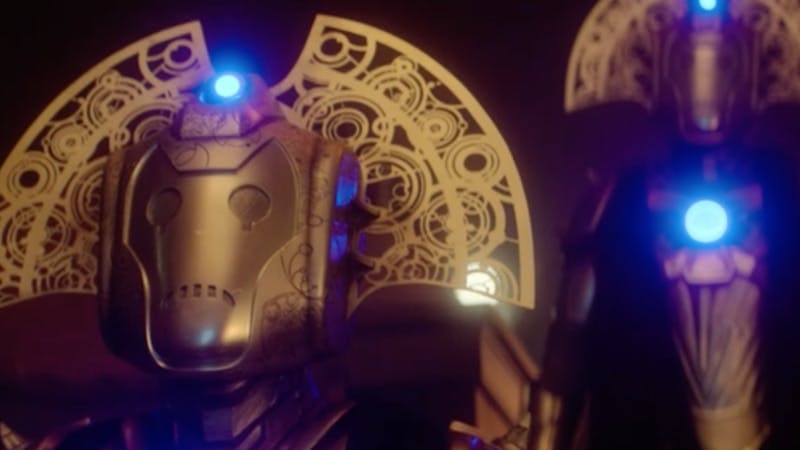
The Doctor wakes up. She’s still in the paralysis field. The Master reveals (seriously, this whole episode has been one large info dump) he kept all the bodies of the Timelords he killed, which he intends to allow the Cybermen to use for conversion. These new Cybermen will be able to regenerate, making them an “invincible army” (erm, if the Timelords are dead, then how can they possibly regenerate after being converted? The show has gone nuts for regeneration. There’s been about 30 so far this episode). Suddenly joining the Master in the capitol is an army of “Cybermasters” – Cybermen with Timelord collars and capes (and they look utterly ridiculous – more on that later). Testing his new creations, the Master orders one of them to shoot the other. He does so and as the dead Cybermaster lies on the floor, regeneration energy begins to pour out of the holes in its armour – he has regenerated (31 and counting!).
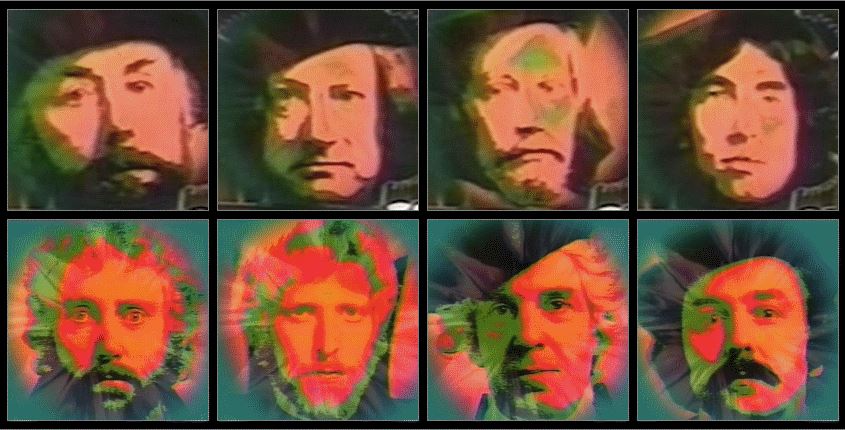
Back in the Matrix, Jodie’s Doctor has a vision of Doctor Ruth (who is more interesting in the space of 5 minutes than our Doctor has been in 45). She tells the Doctor that she can ‘blow’ the matrix with her mind. Using the accumulation of her memories (and seemingly the show’s theme tune – well, it is a killer base line) the Doctor fries the Matrix. Images of past Doctors flash by the screen. P. Cap, Smith, Tennant – faster, faster, faster (SHIT – was that a flash of a Morbius ‘Doctor’??). Her plan works and the Doctor is free from the Matrix at last, found lying on the floor of the capitol building by the ‘fam’ who have come to the rescue. The surviving humans reveal they plan to blow up the Cyber-carrier with the last of their explosives. Suddenly the Doctor remembers Ashad’s words from the last episode – “The death of everything is within me” – of course – the death particle (sarcasm)! The humans can set the explosives whilst the Doctor goes looking for Ashad’s body.
The Doctor finds the ‘toy’ Ashad on the floor of the Cyber-carrier and taking him with her, heads to the Matrix chamber for one last showdown with the Master. As the explosions begin early, the Doctor and gang are forced to find sanctuary in an old TARDIS (complete with retro Hartnell interior – god it looks good). The Doctor takes the last explosive from Ko Sharmus so she can activate the death particle manually. She sets a course on the console for 21stCentury Earth, taking the ‘fam’ home whilst she leaves to deal with the Master and his pet Cybermasters. She has to finish this thing, alone!
In the Matrix chamber the Doctor finds the Master waiting for her. The tells him he’s not broken her – far from it… she’s so much better than him (her racial purity has really gone to her head.). She shows the Master her Death Particle explosive – she’s willing to die for the universe this time. But… she can’t press the button. Luckily for the Doctor she doesn’t have to as Ko Sharmus enters from stage left. He will activate the explosive, giving the Doctor time to escape in another retro TARDIS. As Ko Sharmus presses the button, the death particle explodes, destroying all organic life on Gallifrey (including presumably the Master).
Back on Earth the ‘fam’s’ TARDIS (disguised as a house) lands in a housing estate, unnoticed, whilst the Doctor’s new TARDIS (disguised as a tree – a lump of wood. The perfect disguise for our modern cast) lands on the unnamed alien planet from episode 9. Back in her old TARDIS everything seems to be okay until… a party of Judoon (there aint no party like…) breach the TARDIS, arresting her for an unsolved “cold case” – presumably the Doctor Ruth stuff from episode 5. As the Doctor is teleported to a prison cell in deep space she cries out, “What, what, what?”
So, after nearly 20 hours of televison (from 2018’s The Ghost Monument to the conclusion of Sunday’s The Timeless Children) we finally have an answer to the riddle of the Timeless Child arc, which has dominated the Chris Chibnall incarnation of the show (particularly this year). Before we look at the arc in detail, let’s set the scene by analysing Chris Chibnall’s apparent objectives for the show when he took over in 2018. From the outset it was clear there was a deliberate shift in focus. After a couple of continuity heavy years under Steven Moffat, series 11 acted as a palette cleanser for the show, taking away the ‘nasty’ aftertaste of confusing multi-Doctor stories, Timelords in funny hats and universally important companions. S11 was a pared back affair (a little too pared back for my taste) and sought to tell straightforward stories with as little baggage as possible.
The barest whisper of an arc came in the form of a chance comment made in the Ghost Monument of “The Timeless Child”, but it went away, unmentioned again. The first signs of continuity creeping back in, came in 2019’s New Year’s Day special, Resolution of the Daleks, which reintroduced the Doctor’s arch nemesis and reconnected the show with its past. To use the parlance of The Timeless Children, it was the ‘boundary’ gateway that connected the two Chibnall series. On the other side of the pink portal (insert your own punchline) was series 12 – arguably the most convoluted, continuity busting series that the show has ever known. As the Master himself said, “Everything is going to change”. And change it did. The first taste of it came in Spyfall where it was revealed that Gallifrey has once again fallen, and the Timelords were no more.
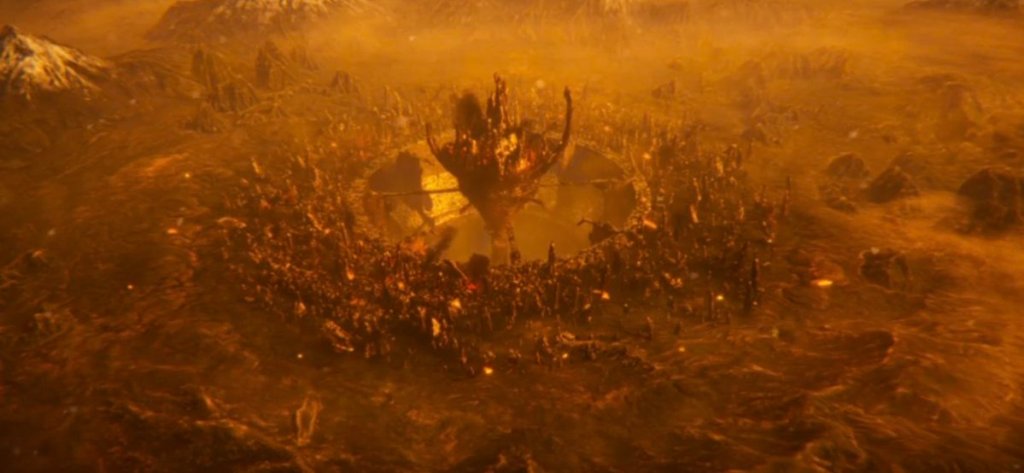
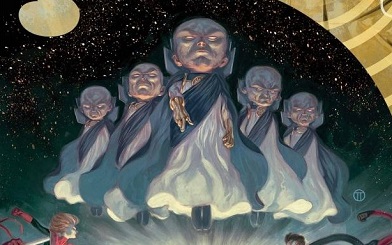
The Timelords were first introduced in Patrick Troughton’s epic 1969 10-episode swansong, The War Games. Seemingly all powerful, these god-like beings presided over all of time and space, and like Marvel’s The Watchers, they had a strict policy of non-intervention. By contrast the Doctor seemed insignificant. A failure even, by their standards. Intellectually inferior, what the Doctor lacked in power he made up for with his big hearts. The Doctor might be a failed Timelord but he was a hero… something the cold, sterile Timelords could never be.
With The Timeless Children came the revelation that the Doctor isn’t a Timelord at all, but in fact the template for the entire species; ‘The Timelord’, if you will. The poster child of the underdogs is now the special one (to go the full Mourinho). This shifts the identity of the Doctor in quite significant ways. The Doctor is no longer a renegade Timelord running away from her own people. She’s a member of an elite, mysterious new race (which in 2 thousand years she’s never encountered before) and a blank canvas. This might be exciting for some people but personally, I quite liked the renegade Timelord thing. It made the Doctor seem like a rebel and not a messianic, god-like figure.
‘Change is the lifeblood of the series’, is often the mantra for Doctor Who. And whilst I’d whole-heartedly agree with this notion I would like to add the caveat that ‘change’ in this case should be the addition of new things, not the subtraction of old ones. By rewriting established history to this extent, Chris Chibnall has created more problems and questions than he has sought to correct. Greater care is needed when attempting to ‘fix’ something as precious as 60 years’ worth of accumulated history otherwise it’s like “Repairing a watch with a hammer and chisel,” to paraphrase the Fourth Doctor. “One false move and you’ll never know the time again.”
So yes, we’re now unencumbered by a regeneration limit but we also have a whole heap of new questions which the internal logic of the Timeless Child simply cannot answer. For example (just off the top of my head):
- If the Doctor’s past lives (pre-Hartnell) were erased by the Division, then why did we get a flash of the ‘Morbius’ incarnation in the Matrix montage sequence? When the Brain of Morbius was released in 1976, an ill-judged in-joke by the production crew took on a life of its own when in a battle of wills with the titular monster, Morbius, we saw flashes of the Doctor’s past lives. In addition to the familiar faces of Jon Pertwee, Patrick Troughton and William Hartnell we also saw images of the production crew wearing various period costumes. But were they Morbius’s lives or the Doctor’s? Until Sunday’s episode they could have easily been explained as Morbius’. After all, we saw the regeneration from Pertwee to Baker (so there’s no wriggle room between those two incarnations) and in 1972’s The Day of the Daleks there was a similar montage that concluded with the William Hartnell Doctor. So, by including the Morbius Doctor in the Matrix sequence, Chibnall is canonising it into the show as a past Doctor. But why does the Doctor have the memory of this former life but no other? It simply doesn’t make any sense.
- Why didn’t Clara see all those Doctors when she entered his timestream in 2013’s The Name of the Doctor? Does this mean there are thousands of Clara splinters chasing around the universe, and also why doesn’t River Song (who is an archeologist who researched the Doctor) know anything about this either?
- Also in The Name of the Doctor, Clara helps the First doctor to choose his TARDIS from a Gallifreyan ‘parking lot’. But seemingly prior to that he’s Doctor Ruth, travelling around the universe in a TARDIS that also resembles a Police Box. How is this possible?
- Why did Clara have to beg the Timelords in 2014’s The Time of the Doctor for extra lives for the Doctor? If the Doctor has a never-ending pool of regeneration energy, then why was this necessary and what came out of the crack in time?
- Why is William Hartnell’s Doctor explicitly referred to on screen as the “first” incarnation of the Doctor by the Timelords in 1972’s The Three Doctors?
- In 2009’s The End of Time we see a figure whom RTD confirmed in his book, The Writers Tale, is intended to be the Doctor’s mother. So, is this person also Tecteun, who abused and tortured her son/daughter? All of a sudden it’s not quite such a touching reunion.
In some ways, for all its rock and roll credentials, the Timeless Child arc is like a soft reboot of the ‘Cartmel Masterplan’ which was written for Sylvester McCoy’s 7thDoctor in the late 1980s, but never seen to its conclusion due to the show’s cancellation. Script editor Andrew Cartmel intended to reinject mystery into the character of the Doctor by hinting he was more than “just another Timelord”. He was “The Other” one of a triumvirate of Timelords (along with Omega and Rassilon – two legends who didn’t get a mention in Chibnalls new version) who established Timelord society and made time travel possible by creating the Eye of Harmony. There is a great deal of cross over between Chibnall’s vison for the show and Cartmel’s. But whilst McCoy’s Doctor knew his mysterious origins, but remained tight lipped (making him a less reliable/more interesting character), Jodie’s Whittaker’s Doctor doesn’t know who she is herself, which doesn’t really make the character any more mysterious than say, Jason Bourne. Another similarity between the two is that in Cartmel’s version, Gallifrey also has a mysterious organization that polices time, called the “Celestial Intervention Agency (CIA)” now usurped by Chibnall’s blander sounding “Division”.
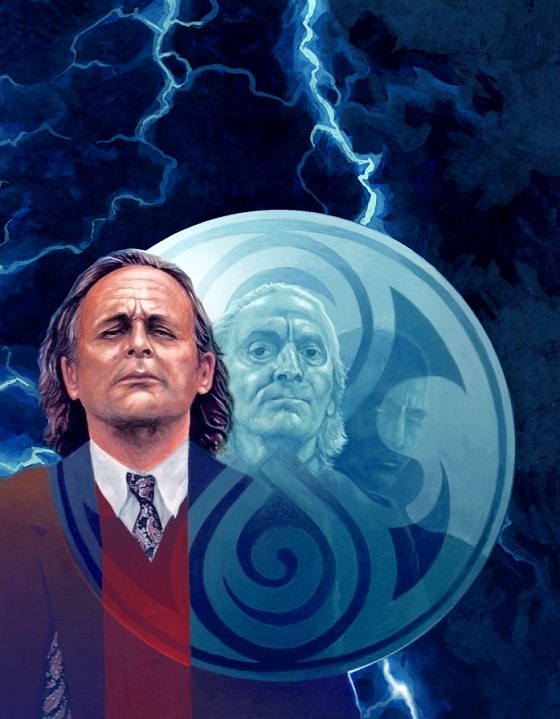
The Timeless Child revelation has also shifted the Doctor’s relationship with the Master forever. The Master was first introduced to the show in 1971 as an equal to the Doctor; Professor Moriarty to the Doctor’s Sherlock Holmes. In Timelord terms he was even the more successful of the two, graduating from the academy with a higher degree than the Doctor. He was a shadowy version of our hero; what the Doctor could become if her life had taken a different turn. Now the Doctor is no longer the Master’s equal (or even inferior) – she is the superior being and the Master carries her DNA in his body. No wonder he was annoyed. It wasn’t just her history being rewritten.
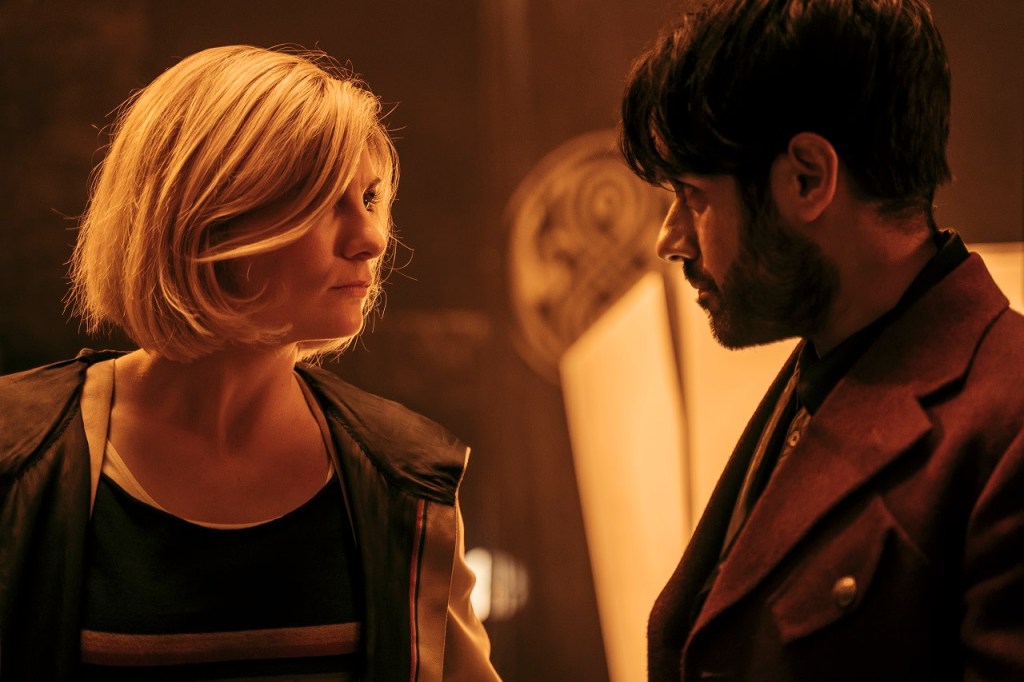
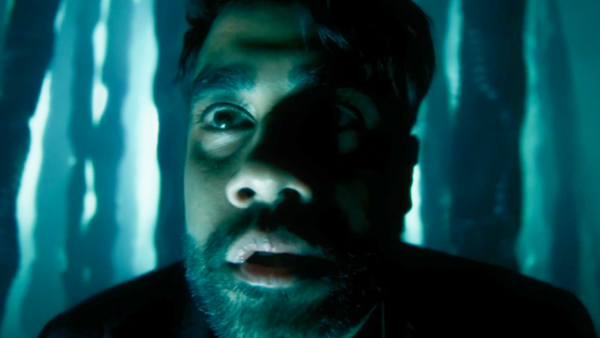
It was no surprise to see Sacha Dharwan’s Master return for the finale, even though there was no explanation given for how he escaped the Upside Down Kasaavin dimension at the end of Spyfall. This lack of explanation was common in the 1980s so maybe Chris Chibnall feels it’s a justified character beat, but that was 40 years ago and things have moved on since then. Audiences scrutinize things a great deal more than those days and social media isn’t as forgiving (and neither are amateur bloggers).
Aside from the Timeless Child arc, Chibnall’s other contribution to modern Doctor Who is obviously the show’s first female Doctor. In retrospect, quite how it took nearly 60 years to get here is something we can all scratch our heads over but now that it’s a reality, it’s disappointing to see how passively she is depicted. This version of the character rarely takes charge of situations and is often dictated to by events and people (usually men). Its almost as if, in the hands of male writers (who are a part of the problem, from an unconscious bias point of view) she couldn’t be anything else.
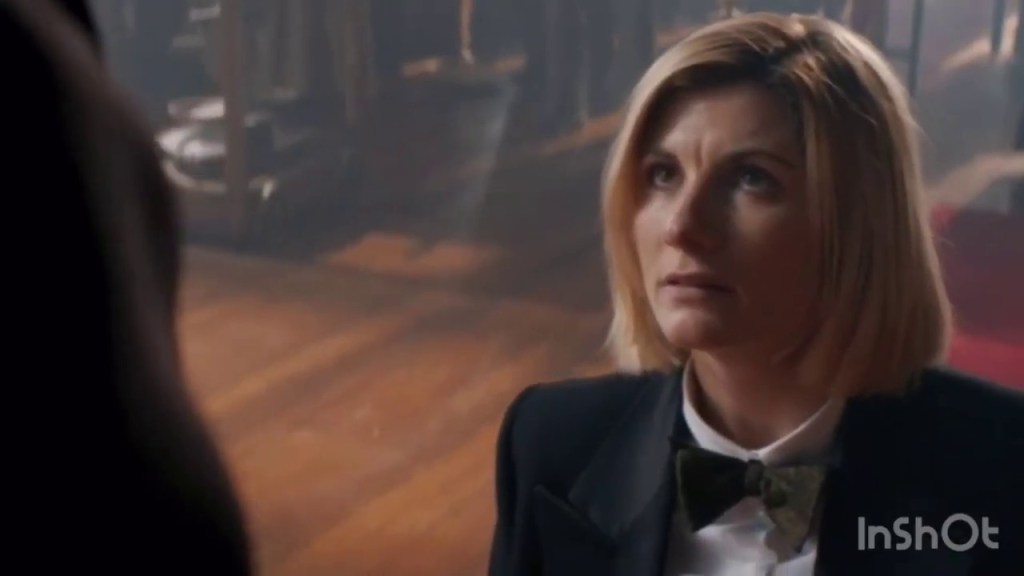
In The Timeless Children, the Thirteenth Doctor barely gets a line for over half an hour and does little more than stand in one spot, a spectator to events without ever taking part. All the energy for the episode stems from the Master, filling the personality vacuum vacated by a chronically under written Doctor. She even needs Doctor Ruth (once again, excellently played by Jo Martin) to reveal the way out of the Matrix. At the end of the episode, instead of being prepared to sacrifice herself, she has to rely on a male character to save the day and detonate the Death Particle. The First Female Doctor deserves a lot better than this rubbish.
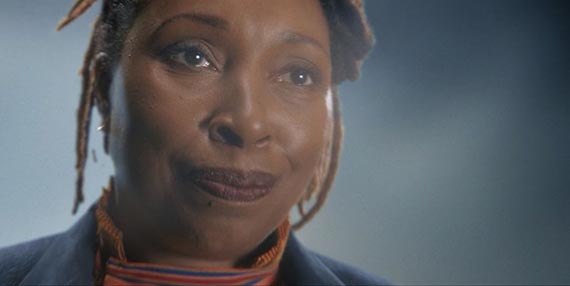
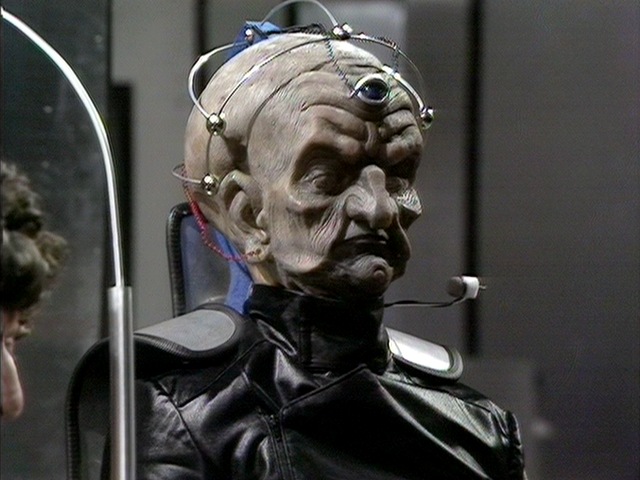
Not only is Jodie Whittaker’s Doctor written passively but she’s also now saddled with a backstory that victimises the character. The character of Tecteun is written surprisingly sympathetically considering its essentially a story of child abuse and genetic experimentation. In many ways Tecteun is no better/different from Davros and his experiments to genetically alter the Daleks in order to create the ultimate version. But in The Timeless Children, Tecteun is the Doctor’s mother in all but name, and written as such.
The structure of this episode is so poorly thought out as well. Essentially for 45 minutes the audience was treated to one info dump after another. There was no attempt to tell this back story in a dramatic way; it just relied on Sacha Dharwan delivering exposition through a voice over. If we compare this to, say, The Empire Strikes Back, a film that famously rewrote its franchise’s continuity, it’s easy to see how this could be achieved organically and more importantly, dramatically.
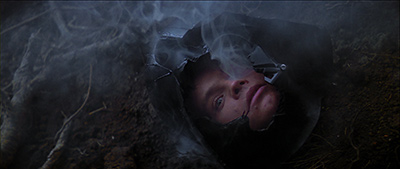
In the film, as a part of his Jedi training, Luke Skywalker descends into a cave steeped in the power of the dark side (essentially the Matrix on Gallifrey, as it could have been written). In it he sees a vision of his nemesis, Darth Vader, coming towards him. As they engage in a light saber duel, Luke gets the upper hand and decapitates Vader, only for his mask to explode revealing Luke’s own face underneath. This plants the seed in the audience’s head for the climactic scenes in Cloud City, when Vader, as everybody knows, reveals himself to be Luke’s father. In both scenes exposition comes out of drama. The story is moved forwards and Luke takes an active part in discovering that knowledge for himself. He earns his rite of passage.
Compare that to what we saw on Sunday – 45 minutes of the Doctor essentially box setting deleted episodes of Doctor Who (so that’s where they all went to!!). It’s so static and lifeless in comparison. In Star Wars terms, it has more in common with the opening crawl, than anything that happens in the movies. We could just have been reading text scrolling past the screen for all the value the Matrix scenes add to the story.
There’s no sense of jeopardy in the episode either. You know that something fundamentally wrong has occurred when you’re more fearful for continuity than for the characters we’re supposed to care for. Ultimately I don’t care about the rules of Doctor Who being broken as much as the fundamental rules of drama.
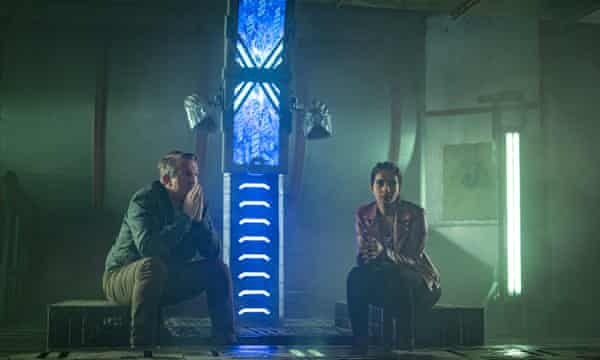
Aside from the Master, the other ‘big bad’ this series was the Lone Cyberman, Ashad. He was perceived to be a big enough threat to the universe that Captain Jack foreshadowed his arrival in Fugitive of the Judoon, cryptically warning the Doctor to “not give him what he wants”. It’s surprising then that the character was so unceremoniously dispatched by the Master. Both the Master and Chibnall (it seemed) got bored of playing with this particular toy (ironically the Master turning him into a literal toy figure, halfway through the episode).
The Cybermasters were the other big inclusion this episode. They probably looked great on paper but the execution is laughable. Its hard to know whether they’re supposed to deliberately look bad (parodying the portentous stylings of the Timelords themselves) or the designer was oblivious to it. I imagine its the sort of thing that would look great in a comic strip but less so on screen.
VERDICT
The Joyless Division
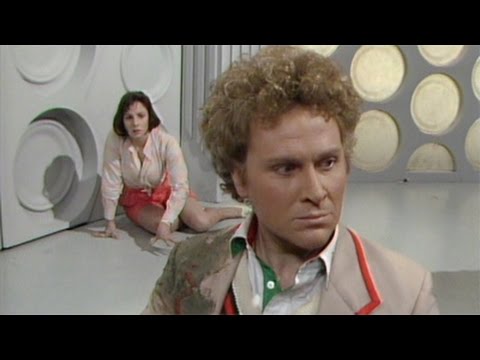
Even to hardcore Doctor Who fans, 45 minutes of the Doctor wandering around the matrix watching old movies seems a lackluster way to finish a series. It was lackluster when it was used to close Colin Baker’s The Trial of a Timelord back in 1986 and 34 years later its no more interesting.
Po faced, light on action, this finale takes itself very seriously indeed. If 2018 was billed as the ultimate jumping on point for the series, this is about as far as you can get from it. For some I suspect it will actually be the jumping off point.
4/10
 Film Thought